Not a monument, but a working section through the world as it is becoming — a place where climate is sensed, understood, and actively reshaped, together.
Climate change isn’t something happening “out there.” It’s woven into the air we breathe, the water we drink, the soil beneath us, the cities we’ve built, and the economies we depend on. The Climate Section doesn’t treat climate as a problem to study from a distance, it treats it as something we all live inside, and can actively shape together.
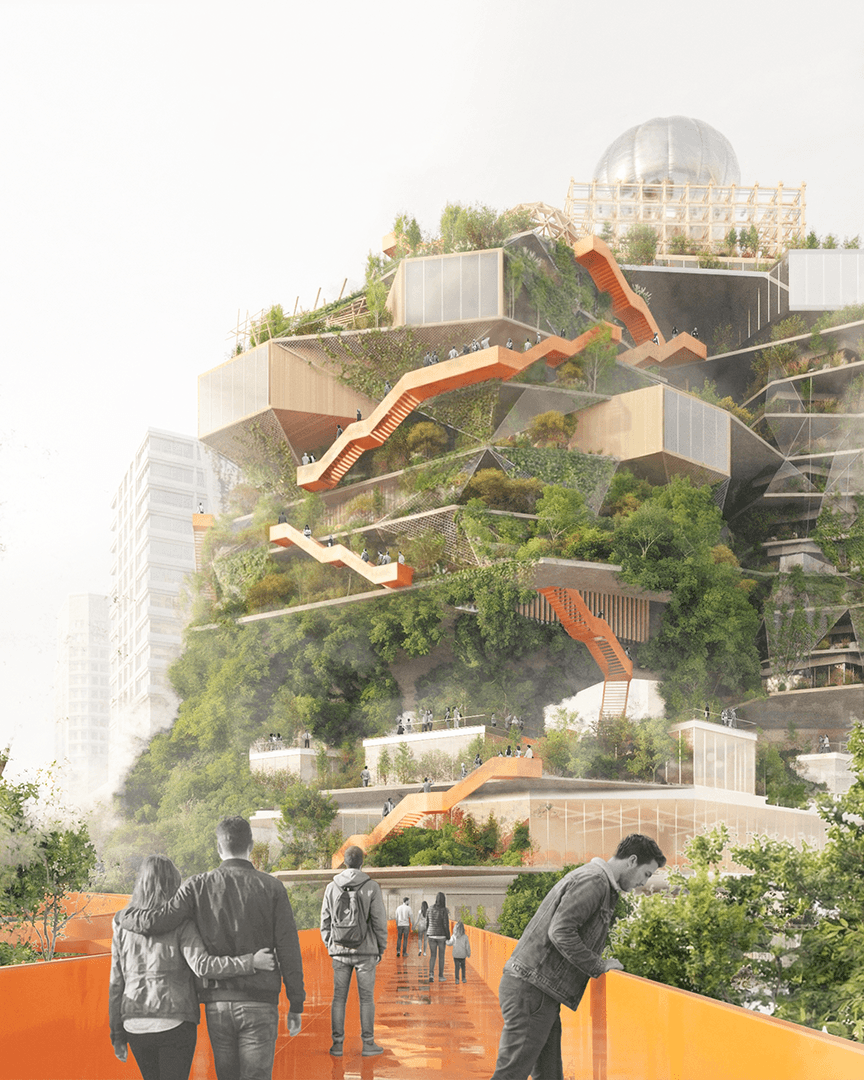
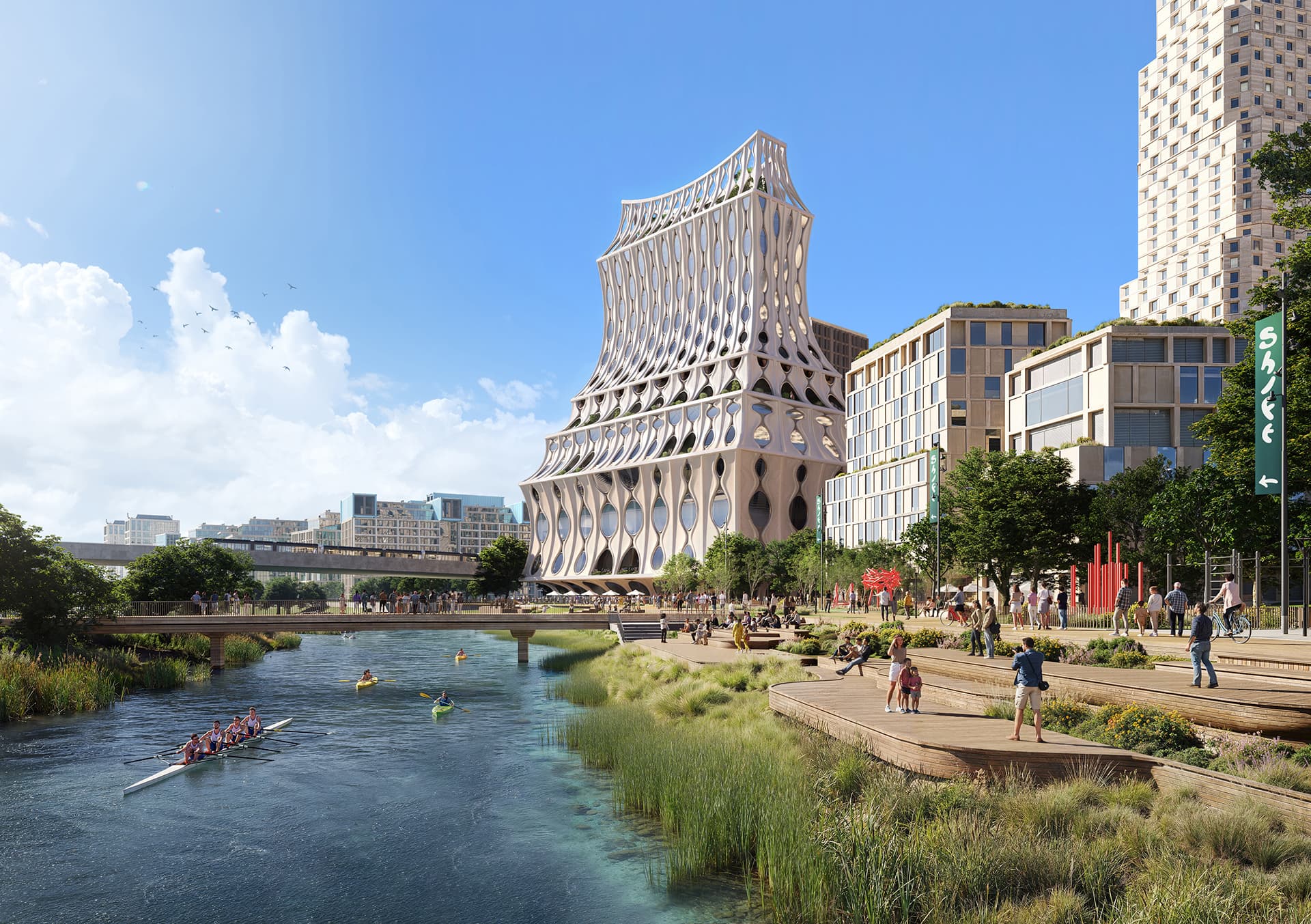
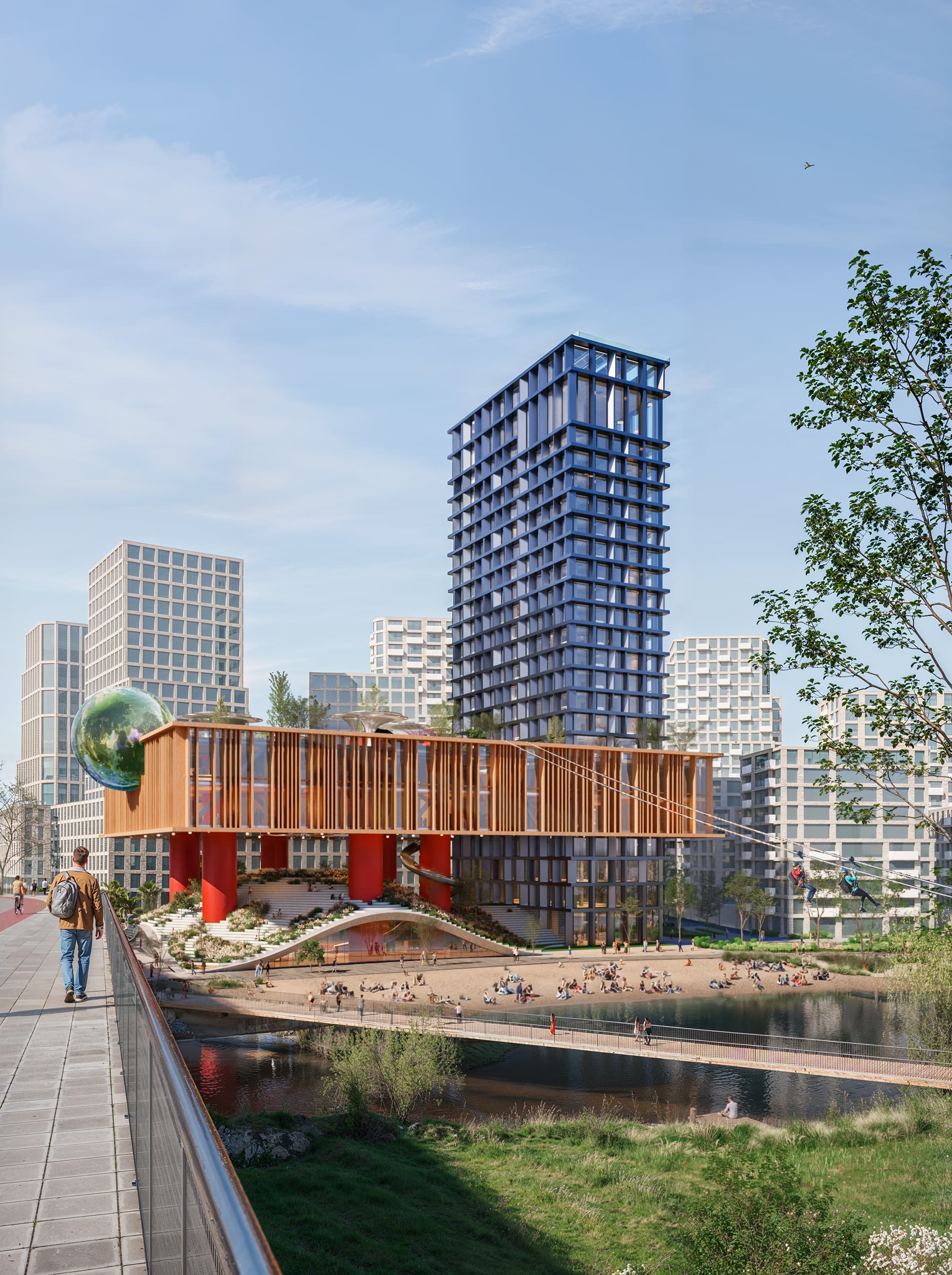
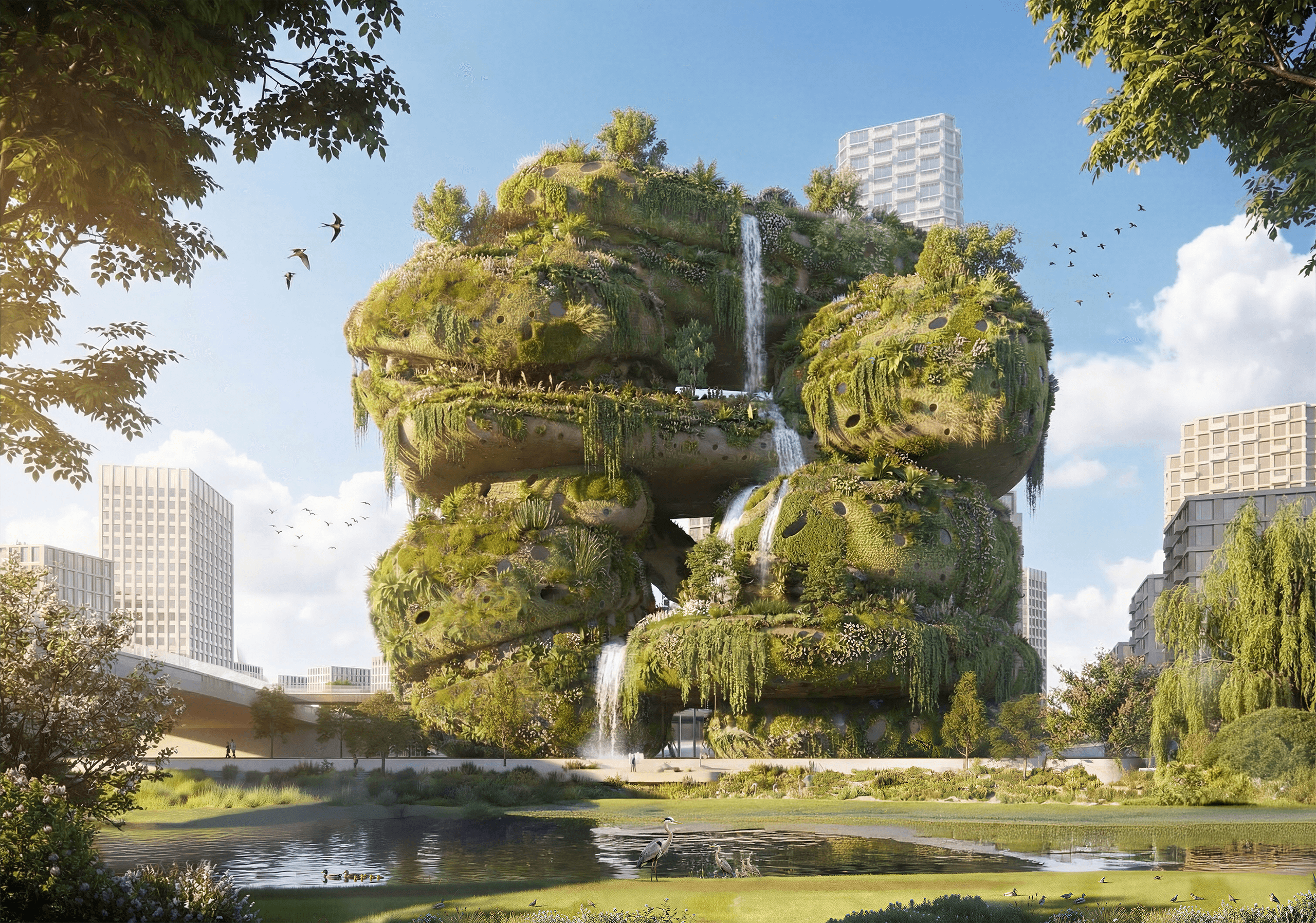
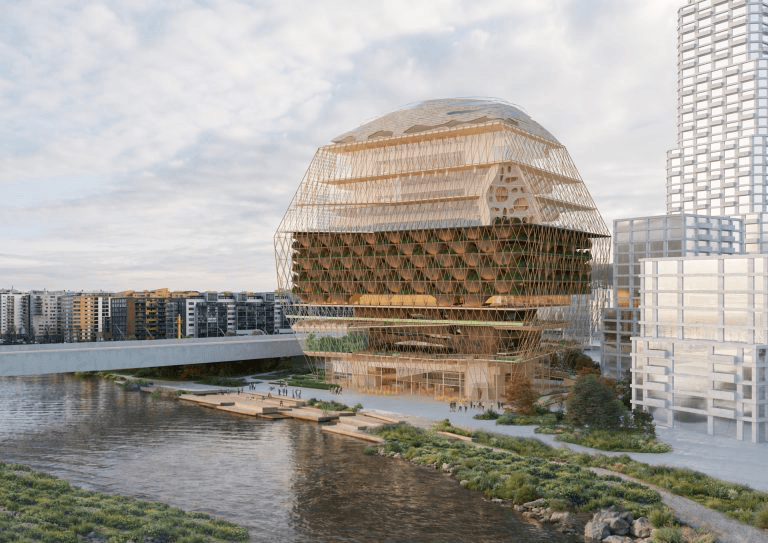
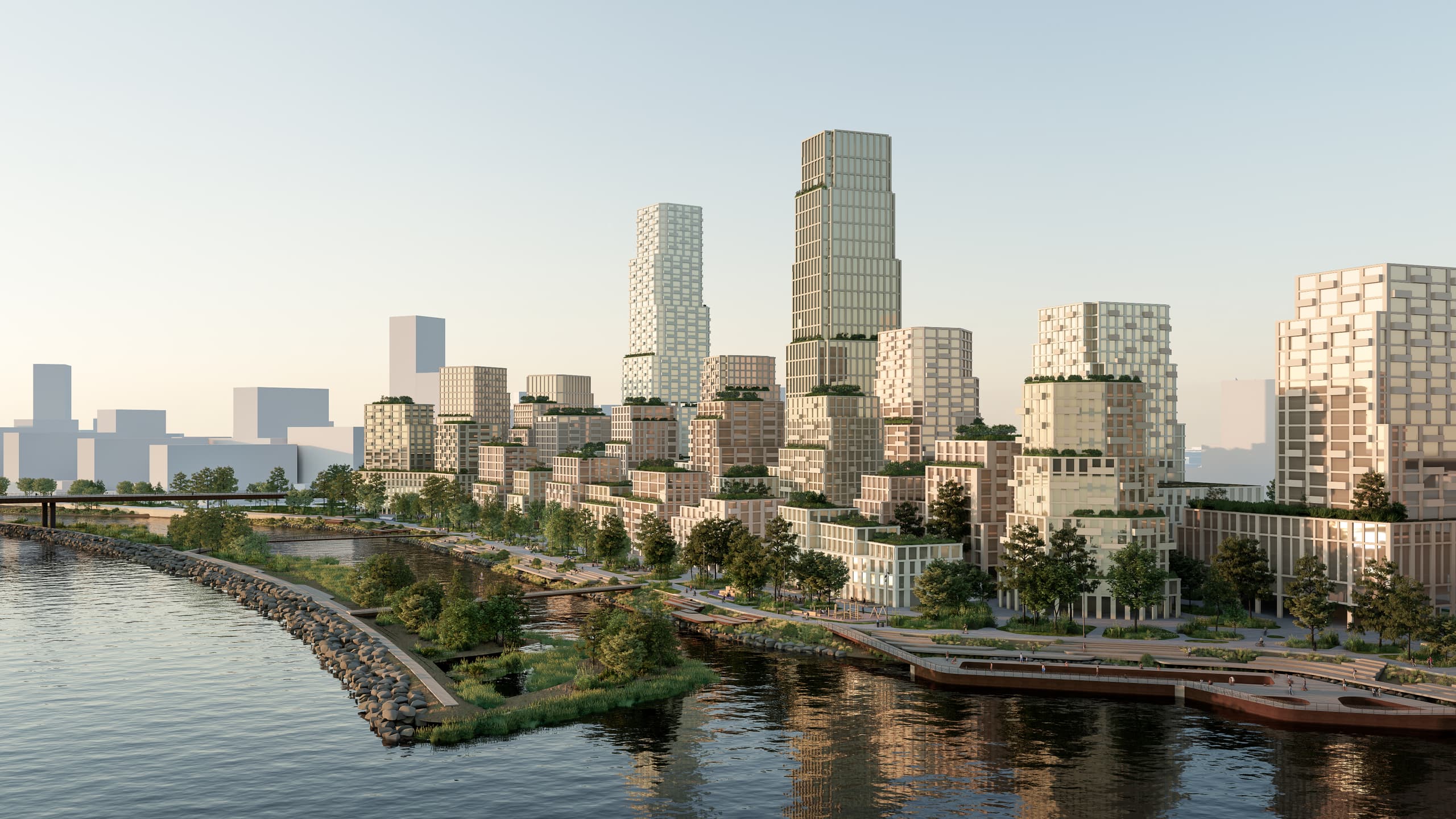
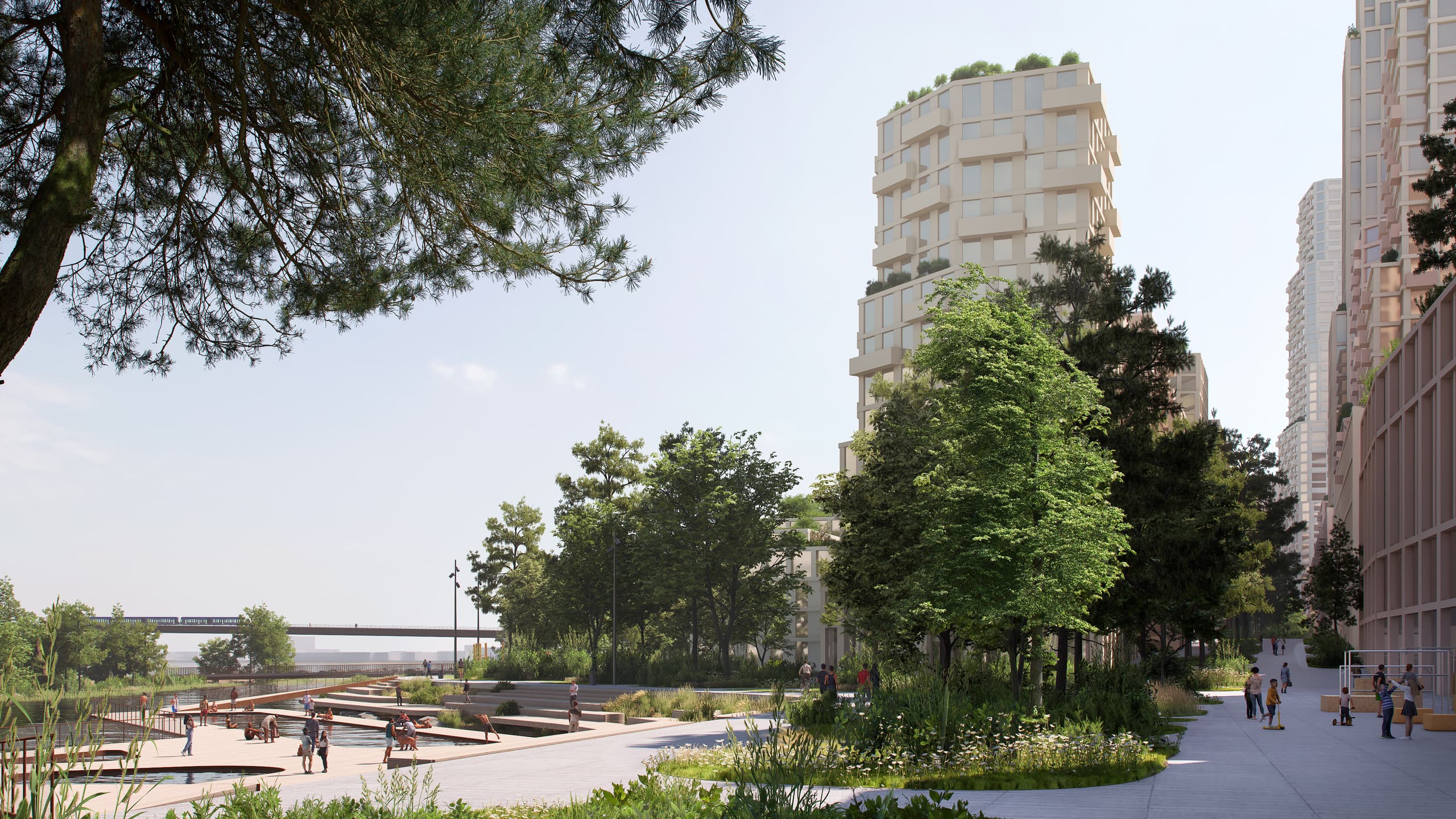
Located in Rotterdam, a city built on a delta, where engineered infrastructure and natural water systems have always collided, the project takes the form of a vertical park: a gently rising, fully accessible pathway that takes visitors on a journey through ecological landscapes (wetlands, forests, dunes) and the invisible systems that sustain them.
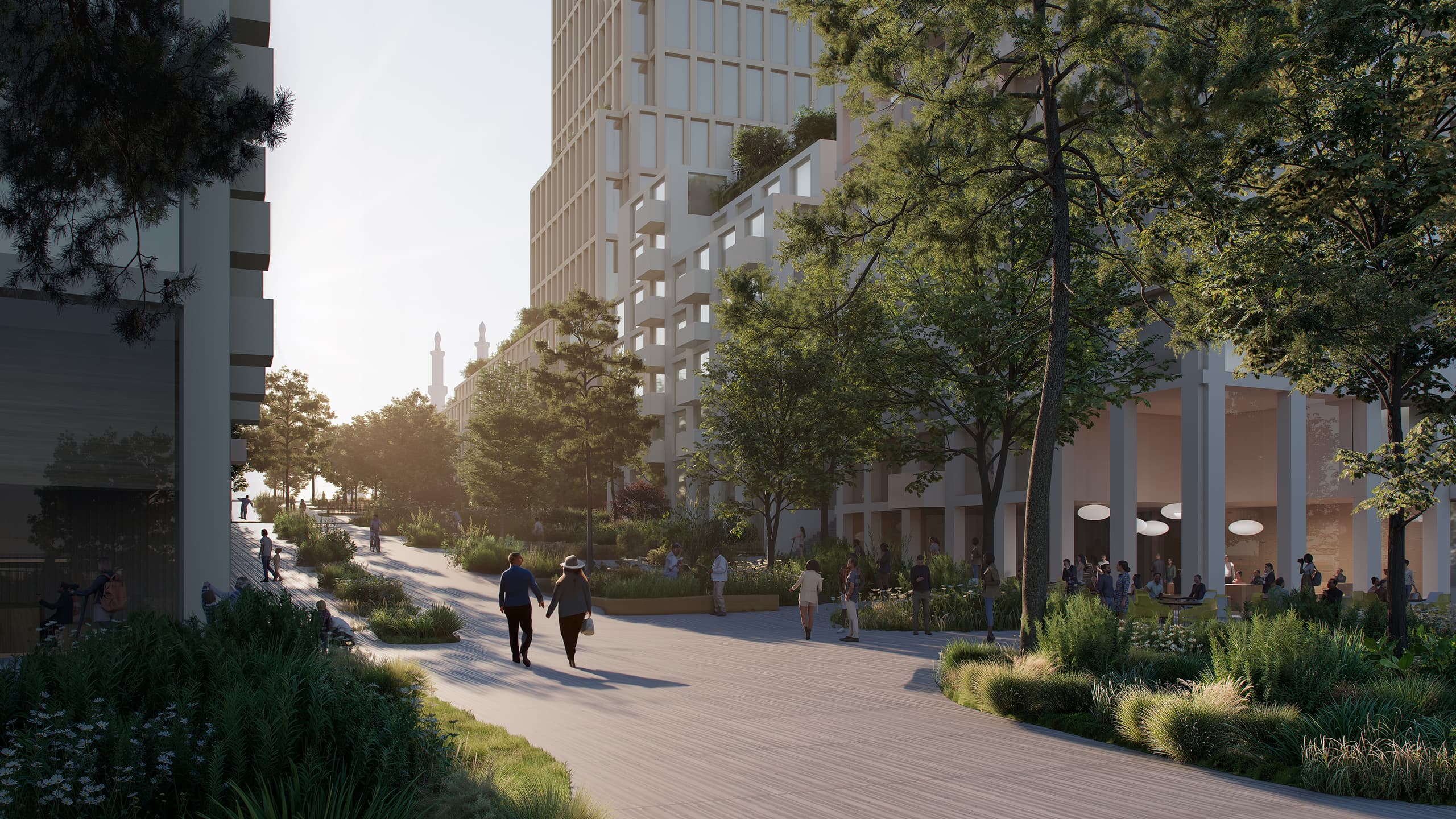
t’s not a museum or a destination. It’s a new kind of civic space: somewhere people return to, move through, and make their own.
The central idea is Climate Abundance, the belief that tackling climate change shouldn’t mean sacrifice, but can mean more: more green space, more comfort, more shared resources, more
life. The project improves daily life in Rotterdam South through
better connectivity, public space, and environmental services. Climate action as added value, not
burden.
Vision for the Elysium Experience
Climate Section is not a place that explains climate. It’s a place where climate is lived, and where that living becomes a form of collective action.
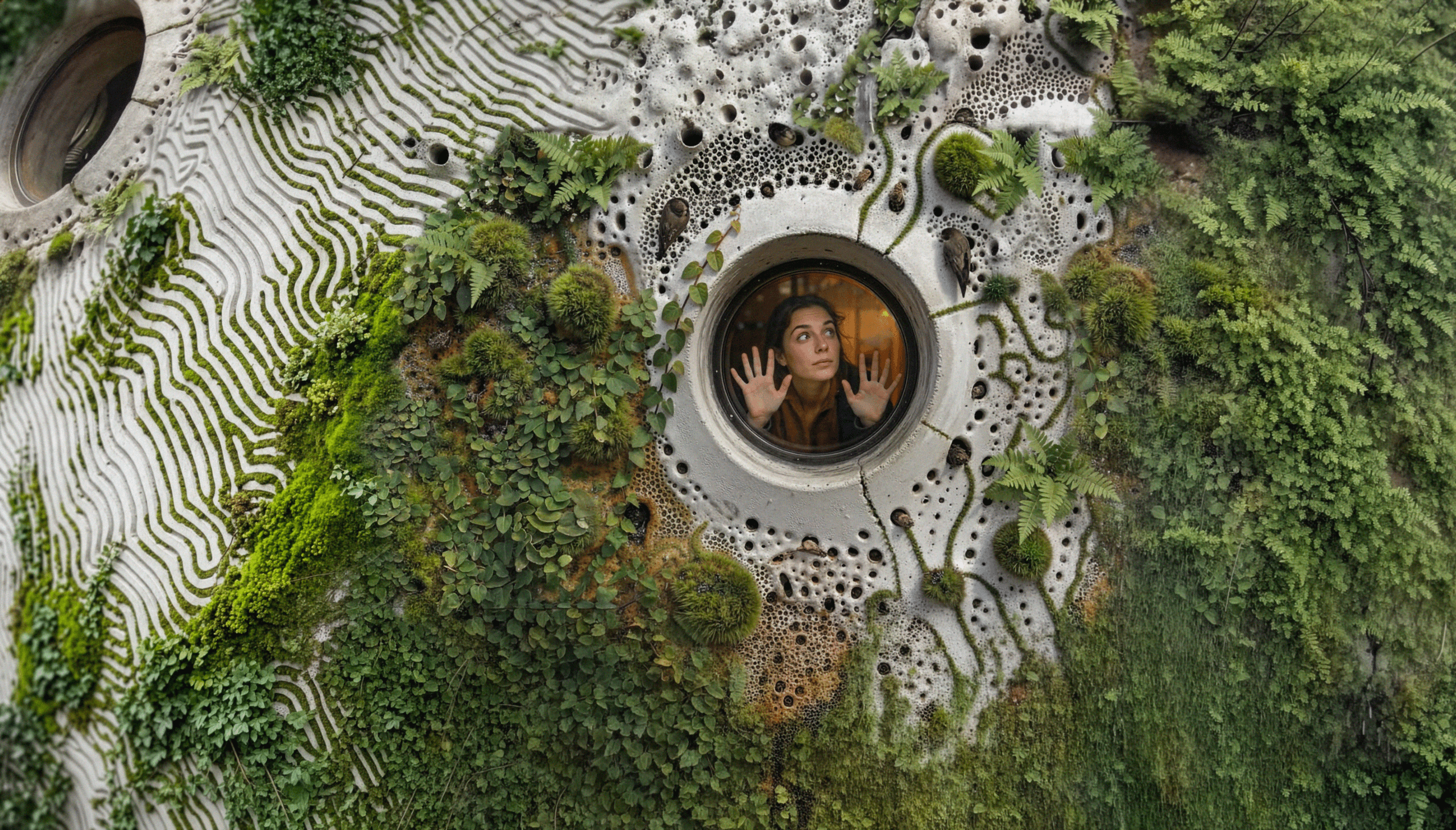
Instead of simulating nature and staging exhibitions on climate action, the building is nature and climate in action. Soils filter water. Microbial communities process carbon. Weather shifts as you move through it. Augmented reality layers onto this living environment, making invisible processes visible: where carbon travels, how sediment moves, why humidity changes. Visitors don’t watch a show. They find themselves inside a working system.
At the heart of the experience is a journey through deep time. Visitors walk through reconstructed landscapes — ancient forests, peat bogs, clay layers, coastal dunes — not as dioramas, but as living ecosystems. Moving through them makes the full story of carbon tangible: how it was locked in the ground over millions of years and how quickly it is being released.
Climate change stops being an abstract graph and becomes something you can smell, touch, and feel beneath your feet. This journey culminates in the Chamber of Pledge, a public space where personal intention becomes collective action. Here, visitors articulate commitments that are recorded and shared beyond the building, forming a growing chorus of people taking responsibility together. Climate action is framed not as private guilt but as a public and shared declaration.
The experience ends in the open air, suspended above Rotterdam. Visitors breathe shared atmosphere and release seeds that the wind carries beyond the site. It’s a small, real act of regeneration.
Vision for Sustainability
The central idea is Climate Abundance, the belief that tackling climate change shouldn’t mean sacrifice, but can mean more: more green space, more comfort, more shared resources, more life.
Wet Abundance. Rainwater and greywater are collected, filtered naturally through soils and plants, and reused for urban farming and public landscapes. Water becomes a shared resource, not a threat.
Thermosocial Abundance. Geothermal energy heats a public square where people gather, cook, and repair things together. Higher up the structure, shifting temperatures and humidity allow humans and wildlife to share the same space.
Energy Abundance. Solar and renewable energy is paired with thermal storage: surplus electricity is converted into cooling, stored as ice, and released when needed. The building becomes a participant in the city’s energy system, not just a consumer.
Abundance of Fertility. Organic waste is composted and turned into nutrients that feed the building’s own gardens. Nothing is discarded; everything cycles back into life.
Transspecies Abundance. Habitats for birds, insects, and plants are built throughout. The project is designed for humans and the wider web of species that cities depend on.
About
Office for Political Innovation (OFFPOLINN) Is an architectural practice, based in New York and Madrid, working at the intersection of design, research, and body-environmental practices, and are the authors of the awarded Reggio School in Madrid, the TBA21 Ocean Space in Venice and the Babyn Yar Museum of Memory and Oblivion in Kyev. They have been distinguished with the UNESCO Global Award for Sustainable Architecture, the Frederick Kiesler Prize, and the SILVER LION of the 14th Venice Biennale. Its work is part of the collections of MoMA and the Art Institute of Chicago. OFFPOLINN was founded and is lead by Andrés Jaque. Andrés Jaque is an architect, writer and curator. He is the Dean and Professor of Architecture at Columbia University Graduate School of Architecture, Planning and Preservation. He has also been Visiting Professor at Princeton University and The Cooper Union. He has been an Alfred Toepfer Stiftung’s Tessenow Stipendiat and Graham Foundation grantee. In 2018 he co-curated Manifesta 12 in Palermo, The Planetary Garden. Cultivating Co-Existence, and he is the Chief Curator of the 13th Shanghai Biennale, Bodies of Water.