Action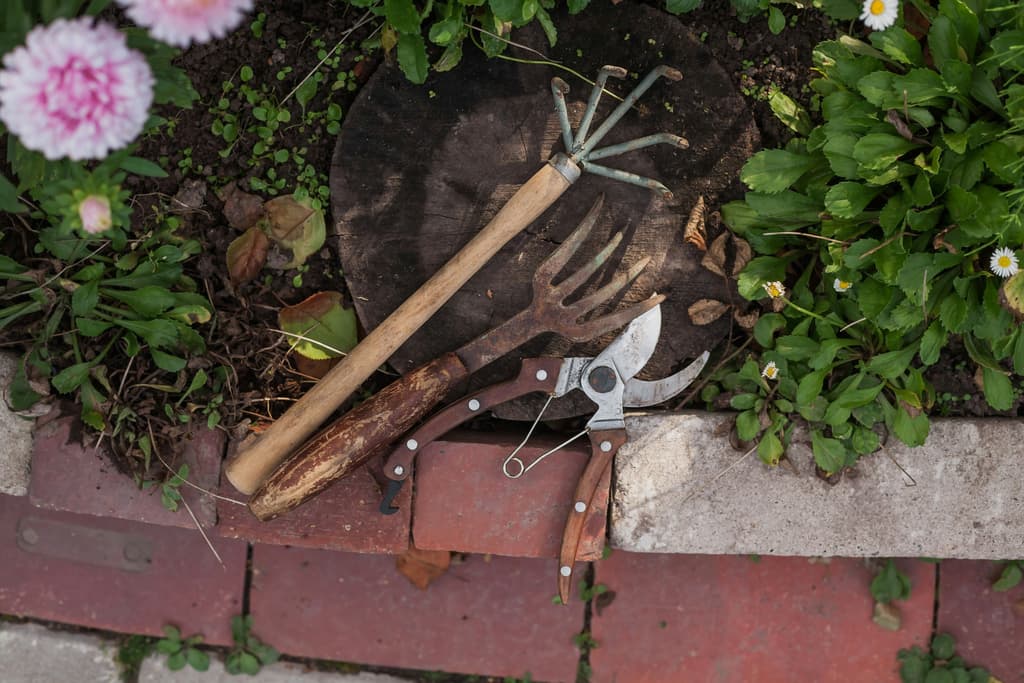
Avoid weed and pest killers
Many weed and insect killers contain toxins that are harmful to animals, plants, and soil. Fortunately, there are safe alternatives.
Description
What we find interesting:
Without realizing it, you might be using pesticides in your garden that are harmful to nature. Think of aphid sprays, slug pellets, weedkillers for your driveway, or products to combat green mold.
Even products that seem "natural" can be harmful to bees, birds, or soil life. Substances like glyphosate or biocides disrupt ecosystems and end up in ditches or rivers via rainwater.
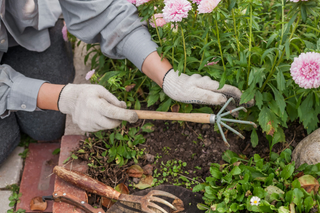
3 more reasons not to use pesticides in your garden:
Even products that seem "natural" can be harmful to bees, birds, or soil life. Substances like glyphosate or biocides disrupt ecosystems and end up in ditches or rivers via rainwater.
3 more reasons not to use pesticides in your garden:
- Better for bees, birds, and other animals: Pesticides often kill not only "pests," but also beneficial insects.
- Your soil stays healthy: Pesticides harm soil life, which is the foundation of a strong, resilient garden. There are effective, non-toxic solutions: aphids, snails, and other pests are a nuisance, but by hand, using a solution of green soap, a strong jet of water, or using natural enemies like ladybirds, you can often get a long way.
Steps
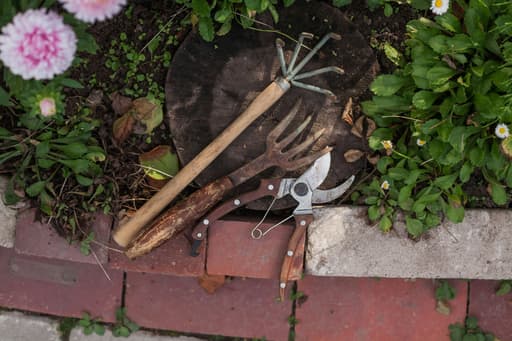
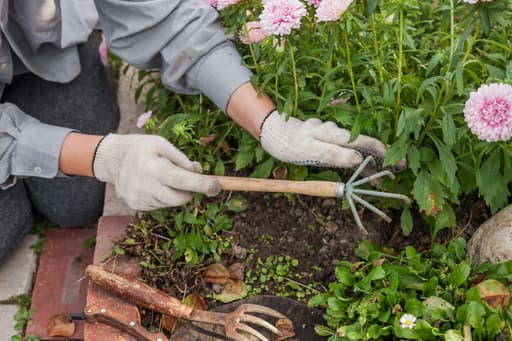
- 1Remove weeds by hand or with a weed brush; this works well, especially on tiles.
- 2It is best not to use slug pellets or bait boxes, as they are often poisonous to hedgehogs or birds.
- 3Control aphids with a strong jet of water, or attract ladybirds with flowers.
- 4Never throw pesticides in the gutter or on the street, as this pollutes surface water.