Action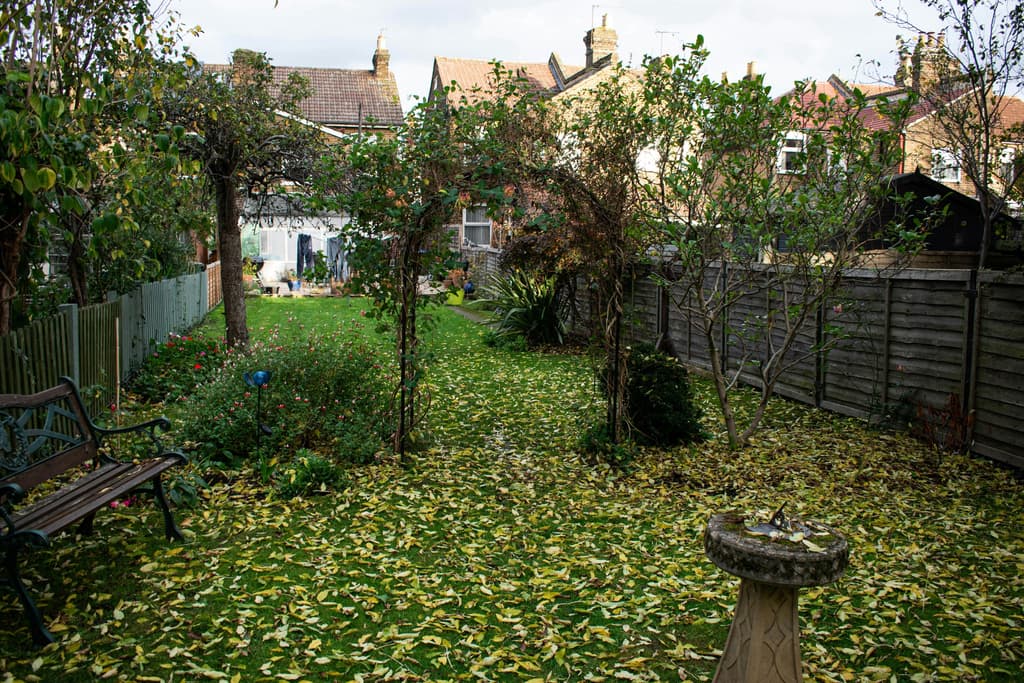
Leave your garden alone in the fall
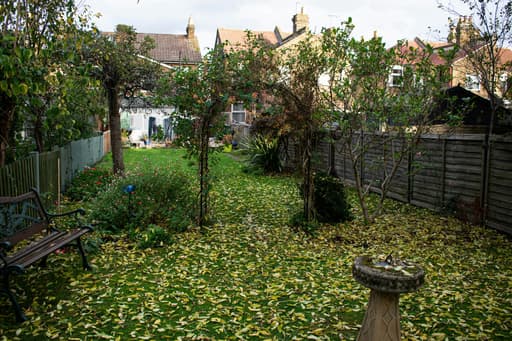
Leave stems, flower remains and leaves behind to help insects, birds and the soil survive the winter.
Description
What we find interesting:
In the fall, many people want to prepare their gardens for winter, but tidying up is often exactly what you shouldn't do.
Dry leaves, hollow stems, and spent flowers are crucial for biodiversity. Insects hibernate in stems or under leaves, hedgehogs use leaves as nesting material, and birds find food in seed pods.
It's also good for the soil: organic matter protects against dehydration and nourishes soil life.
3 more reasons to leave your garden alone in the fall:
Dry leaves, hollow stems, and spent flowers are crucial for biodiversity. Insects hibernate in stems or under leaves, hedgehogs use leaves as nesting material, and birds find food in seed pods.
It's also good for the soil: organic matter protects against dehydration and nourishes soil life.
3 more reasons to leave your garden alone in the fall:
- You help insects and hedgehogs hibernate: Hollow stems, leaves, and branches provide hiding places and nesting material.
- Your garden remains a feeding ground: Birds eat seeds from flower debris and insects under leaves. Your soil stays healthier: Leaves and plant remains form a protective layer on the soil that prevents dehydration and nourishes soil life.
Steps
- 1Leave stems and dead flowers until spring, as many insects overwinter in them.
- 2Sweep leaves into borders or under shrubs instead of throwing them away.
- 3Create a corner of branches or leaves as a hiding place for hedgehogs, toads or insects.
- 4Do not prune until spring, when it is warmer and insects have hatched.