
Be the first
To Explore
000%
Make an impact
Nothing found for these filters. You might also like:
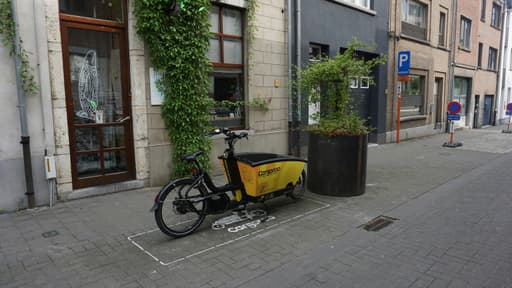
Sustainable rides in the city with an electric shared cargo bike
Nearly half of all city trips are shorter than 7.5 km. With an electric shared cargo bike, you can travel conveniently, cleanly, and without parking stress.
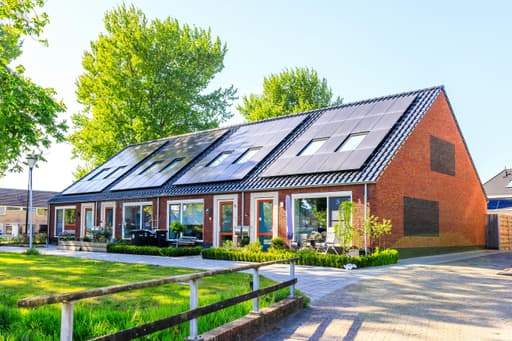
Participate in a collective purchasing campaign for solar panels
Through a collective purchasing campaign, you can jointly purchase solar panels more cheaply and without any hassle.
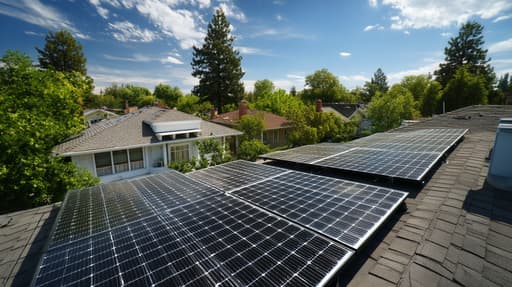
Have solar panels installed
With solar panels, you generate your own electricity. You save energy, reduce your emissions, and are less dependent on the energy market.

Organize a weekly challenge with plant-based lunches at work
Want to enjoy a plant-based lunch with colleagues for a week? It's good for the climate and an easy way to try out new habits.

Make plant-based options the default choice in the cafeteria
The average office lunch isn't very sustainable in most cases. By choosing more plant-based options, you can make a big difference as an organization.
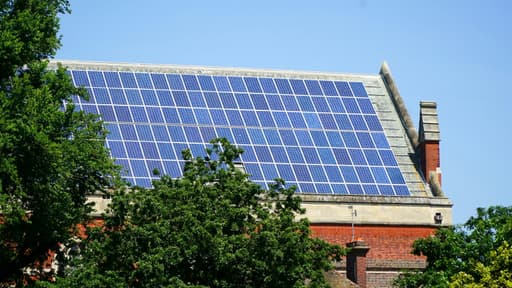
Check your roof for solar panel potential
Curious if solar panels are right for you? With just a few clicks, you can see if your roof is suitable and what the potential benefits are.
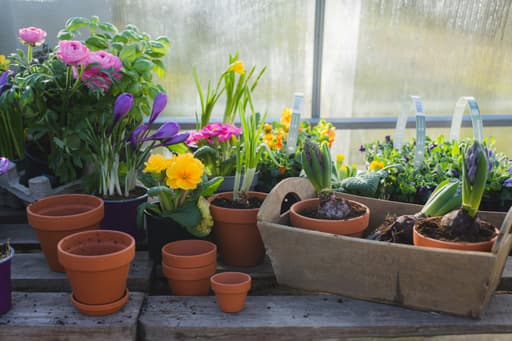
Choose pesticide-free plants and flower mixtures
With organic plants or pesticide-free flower mixes, you really help insects. Many "regular" plants contain pesticide residues.
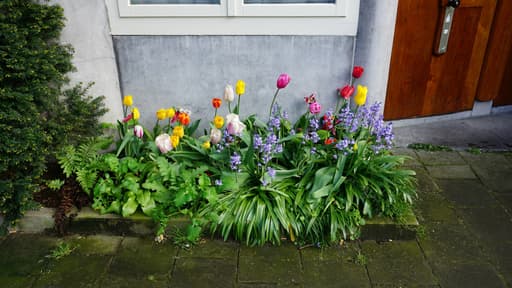
Create a facade garden
With a facade garden you can transform a section of sidewalk into greenery, good for insects and the appearance of your street.
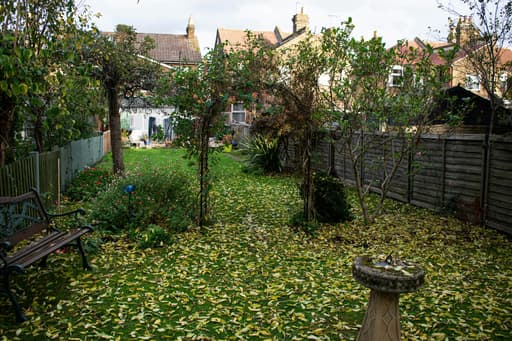
Leave your garden alone in the fall
Leave stems, flower remains and leaves behind to help insects, birds and the soil survive the winter.
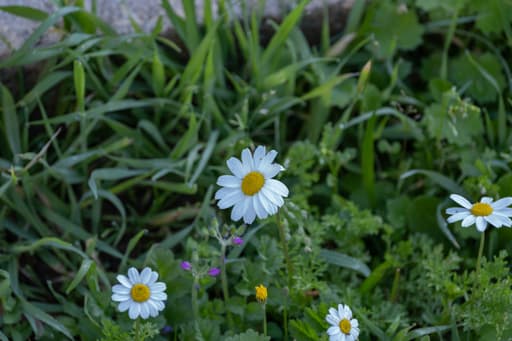
Mow your lawn less often
By mowing less often, you give flowers and insects more space and help biodiversity in your own garden.
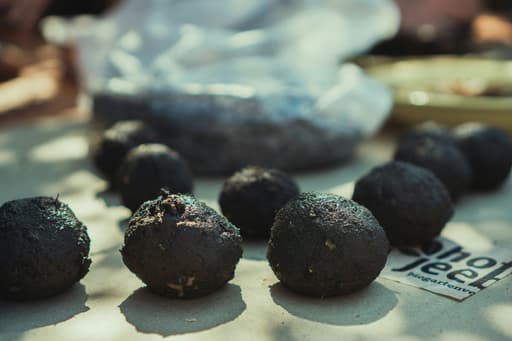
Make your own seed bombs
Seed bombs are small balls full of flower seeds that you can easily spread – good for bees, butterflies and a splash of color in the city.
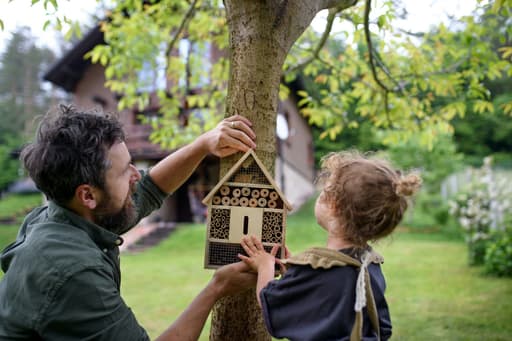
Hang an insect hotel in your garden
With an insect hotel, you give bees and other beneficial insects a place to nest or shelter, which is good for biodiversity and your garden.
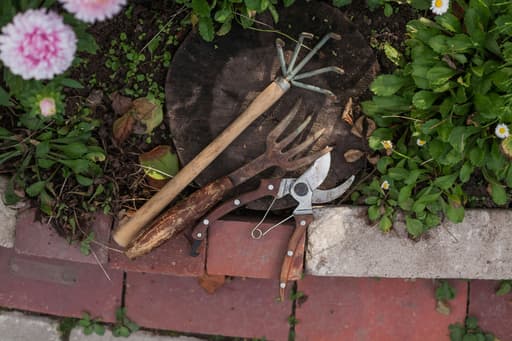
Avoid weed and pest killers
Many weed and insect killers contain toxins that are harmful to animals, plants, and soil. Fortunately, there are safe alternatives.

Place a rain barrel in your garden
With a rain barrel, you can collect rainwater for free; good for your plants and for relieving the burden on the sewer system during heavy downpours.

Choose a holiday closer to home
You don't always have to travel far for a relaxing holiday. You'll find peace, nature, and adventure nearby, and it has a much smaller impact on the climate.
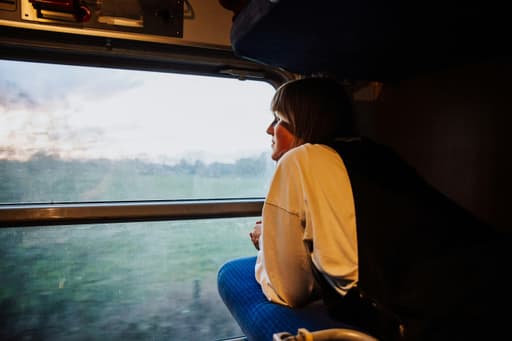
Go on holiday with Interrail or the night train
Travel relaxed and sustainably through Europe with Interrail or the night train. With the train, your holiday starts the moment you board.

Replace flights under 750 km with train journeys
Flying to nearby destinations produces up to 12 times more CO₂ emissions than traveling by train. For shorter distances, the train is the better alternative.
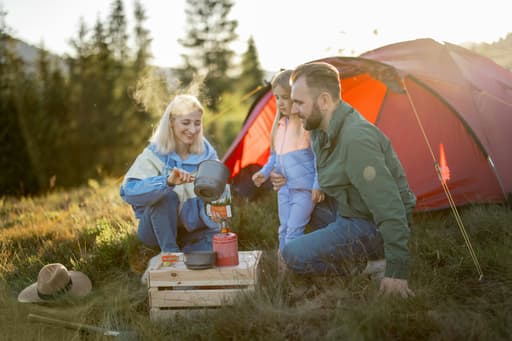
Check the climate impact of your holiday
Discover how much CO₂ emissions your holiday causes and get tips to reduce that impact, with the help of Milieu Centraal.
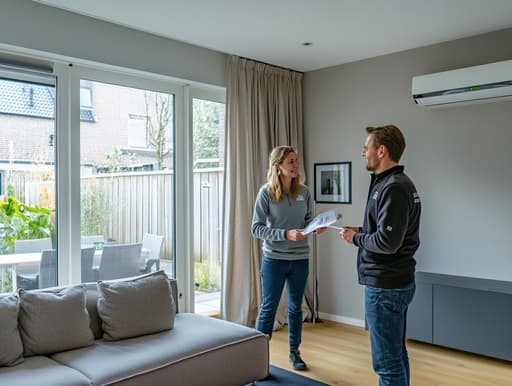
Get free advice from an energy coach
Energy coaches help you save energy and money at home for free – from small tips to larger measures.

Turn devices off and not on standby
Many devices consume power unnoticed in standby mode. Turn them off and save energy without even realizing it.
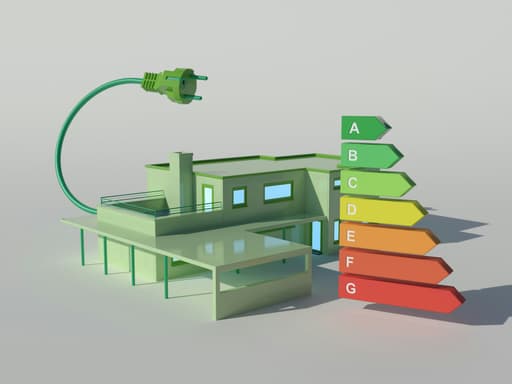
Choose an appliance with a high energy label
An energy-efficient refrigerator, washing machine or dishwasher sometimes uses half the power of a less efficient model.
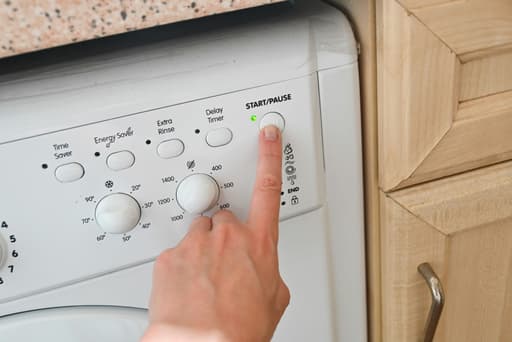
Use the eco mode of your washing machine
Eco programs last longer but use less energy and water. This reduces CO₂ emissions and your energy bill.

Borrow tools from a DIY store
Why buy when you can borrow? Many tools are rarely used, so renting is cheaper and more sustainable.
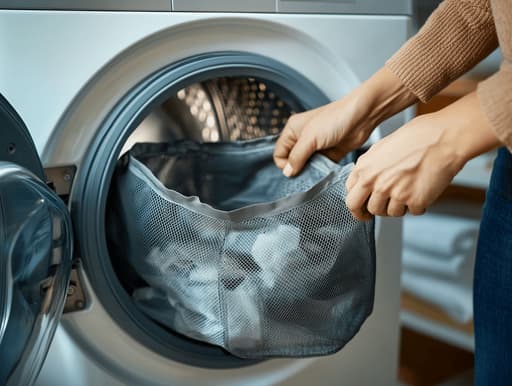
Wash with a bag that catches microplastics
Use a laundry bag to catch microplastics from your clothes during washing.

Insulate your roof
You lose up to 30% of your heat through a poorly insulated roof. Roof insulation saves energy, increases comfort, and is even more affordable with a subsidy.
Switch to laundry strips instead of bottled detergent.
Laundry strips are a plastic-free alternative to detergent in plastic bottles – and just as effective.
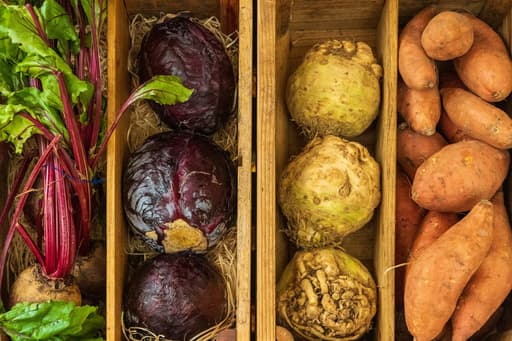
Become a fighter against food waste with No Waste Army
No Waste Army salvages rejected fruits and vegetables and turns them into soups, sauces, and juices. Every three months, you'll receive a box full of goodies.

Choose organic flowers and plants
Many flowers are grown in ways that are harmful to the environment. Choose organic flowers through initiatives like Slowflowers or Sprinklr and support environmentally friendly cultivation.
Become a co-owner of a regenerative farm
Regenerative agriculture restores soil and biodiversity. Through Lenteland or Herenboeren, you can invest in a farm that works for people, nature, and the climate.
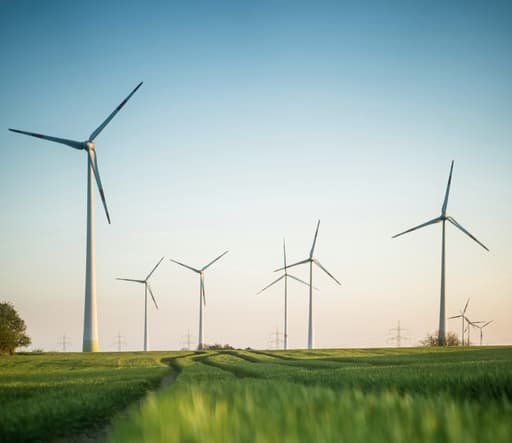
Switch to a sustainable bank
Your bank invests your money. Choose one that invests sustainably and socially, and make an impact without any extra effort.

Choose a refurbished phone instead of a new one
Only 20% of our e-waste is recycled. Use devices longer and choose refurbished ones when replacing them. Good for both people and the environment.

Expand your handprint with climate conversations
Reducing your footprint is good, but your handprint truly increases your impact. At ClimateConversations (KlimaatGesprekken), you'll learn to inspire others to act sustainably.

Change your browser and plant trees with every search
Searches use electricity and water. Use Ecosia: this green search engine runs on renewable energy and plants trees with its profits.

Borrow things from your neighbors
You rarely use many of the things you own. Share or borrow through platforms like Peerby or your local community group – sustainable and convenient.

Discover Europe by train
By train, you can quickly reach cities like Berlin or London. It's nine times more environmentally friendly than flying, and kids travel free with Interrail.

Learn how your neighbors save energy and costs
Looking to make your home more sustainable? Get tips from experienced neighbors through SlimmeBuur. This makes insulating or installing a heat pump a whole lot easier.

Start a neighborhood cooperative and share a car with your neighbors
Cars are parked an average of 23 hours a day. Share electric cars through a neighborhood cooperative and save money and space in your neighborhood.

Don't buy, rent: Circular children's bicycle
Every year, 1 million bicycles are discarded in the Netherlands. Choose a used bike or a BikeFlip subscription and save resources and CO₂.

Buy clothes from brands that do better
The fashion industry emits more CO₂ than all flights and ocean-going ships combined. Buy less, and if necessary, choose brands that perform better.
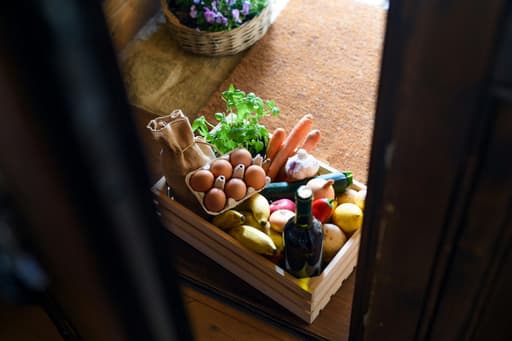
Save food from waste with Too Good To Go
Food waste costs resources and energy. Save food through initiatives like Too Good To Go and contribute to a more sustainable food system.
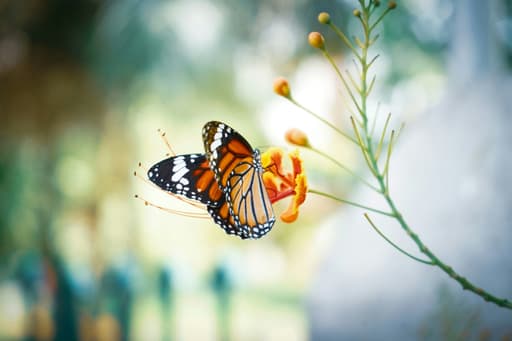
Make your garden, balcony or neighborhood a paradise for butterflies and bees
Nearly 80% of our plants depend on bees and butterflies, but many species are threatened with extinction. Help them with more flowers and greenery.
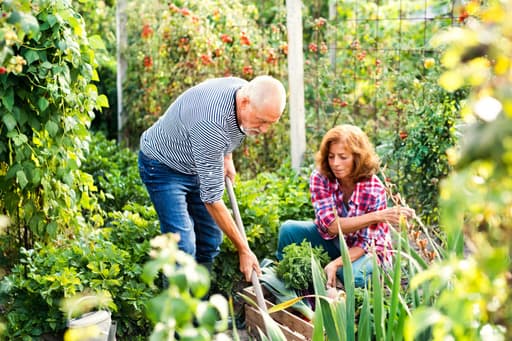
Green your neighborhood
More greenery in your neighborhood ensures clean air, cooling, less flooding and more space for birds, bees and other animals.
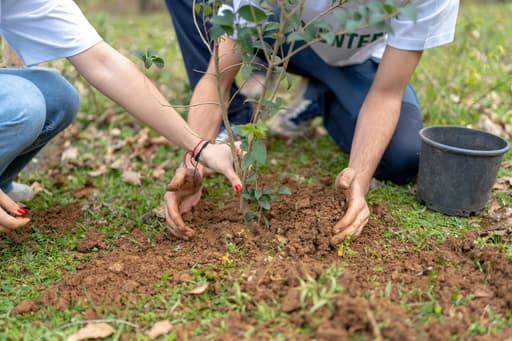
Plant a tree
Trees cool the city and can lower temperatures by 10 to 15 degrees on hot summer days.
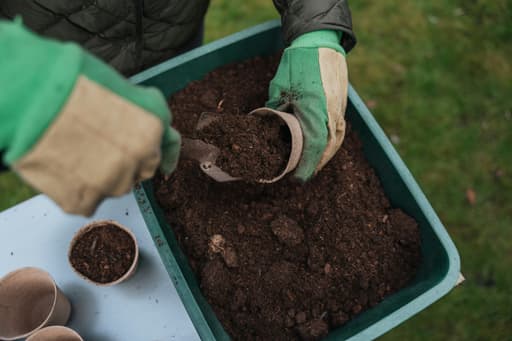
Afval naar Oogst
Afval naar Oogst helps Amsterdam residents compost their fruit and vegetable scraps locally. Bring in your organic waste and give back nutrients to your neighborhood greenery and balcony plants.
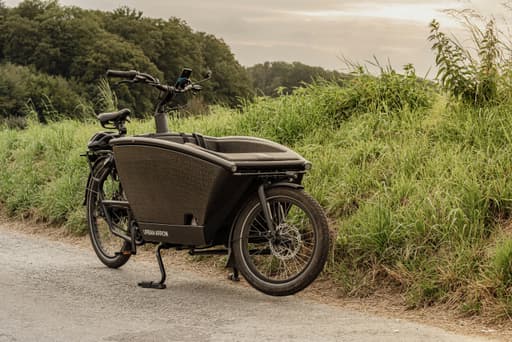
Baqme
BAQME offers electric cargo bikes that you share via an app. Not a car for short trips, but convenient for groceries, children, or bulky items.

Energy advisor
Free help from an energy advisor at your home. Discover how to easily save energy and money.

Avoid short car rides
Half of all car journeys are shorter than 7.5 km and are particularly polluting. Choose walking or cycling and reduce CO₂, congestion, and noise pollution.

The repair table
The Repair Table is the perfect place to give broken items a new lease on life. Make repairs together, learn something new, and get to know your neighborhood better.

Mended
Have your damaged clothing repaired through Mended. Choose your repair online, send it in, and get it back repaired. Good for your clothes and the environment.

Good on You
Good On You shows how sustainable clothing brands are. Search for a brand, check its score, and discover better alternatives for people, animals, and the planet.

Discover more tips for more sustainable eating
What you eat has the greatest impact. Animal products generate more emissions, use more land, and use more water than plant-based alternatives.
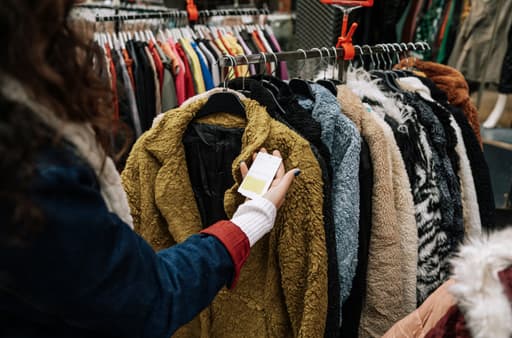
Vinted
Buy and sell clothes through Vinted. This way, you give clothes a second life, save money, and reduce your carbon footprint.
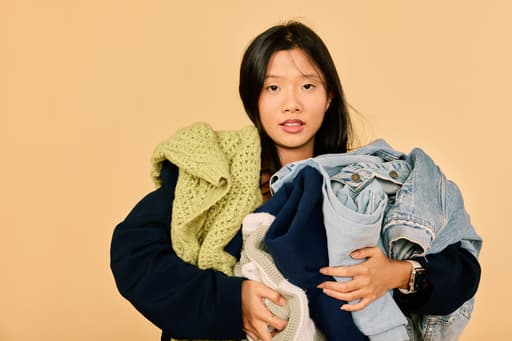
Clothing Loop
Swap clothes in your neighborhood with The Clothing Loop. Receive a bag, take what you like, restock, and pass it on.

De Stadsgroenteboer
The City Greengrocer grows organic vegetables in Amsterdam-Nieuw-West. Receive a fresh harvest package every week with seasonal vegetables from healthy, pesticide-free soil.
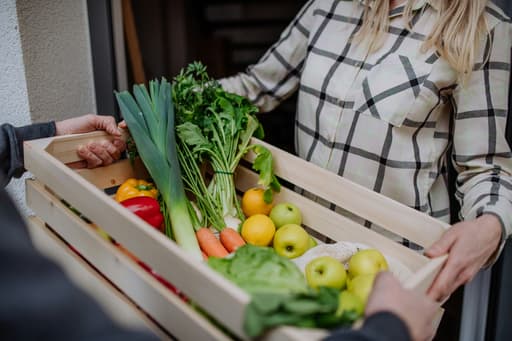
De Groente Amsterdammer
Fresh, locally grown vegetables, straight from the farm. De Groente Amsterdammer delivers sustainable vegetable packages throughout the city.
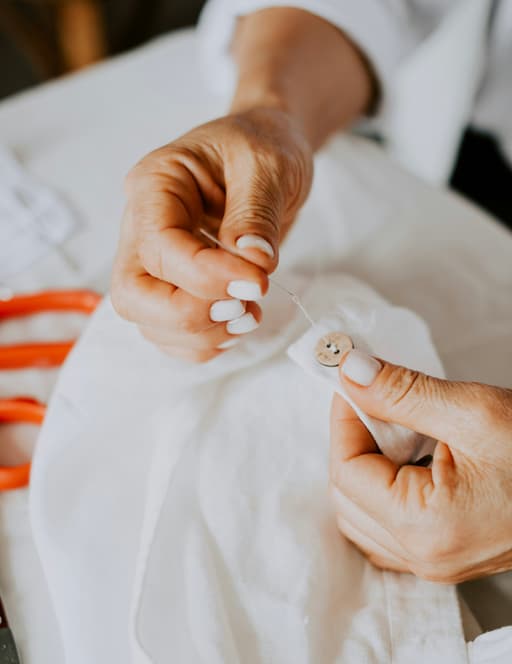
Repair your clothes
Every second, a truckload of textiles disappears into a mountain of waste. Have your clothes repaired and give your favorite pieces a second life.
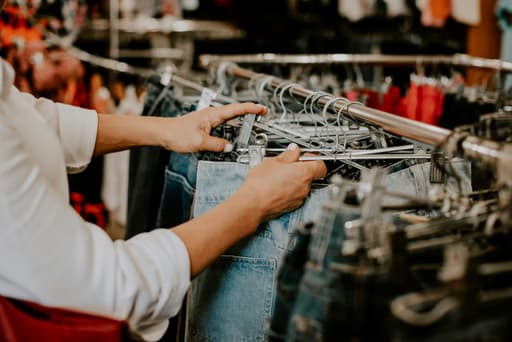
Buy clothes on Vinted or Marktplaats
Buy and sell through Vinted: give clothes a second life, save CO₂, and earn extra money. But only buy what you'll actually wear.

Swap your clothes sustainably
Buy six fewer pieces of clothing per year and save 40 kilos of CO₂ – the equivalent of a trip from Amsterdam to Paris.

Choose plant-based butter and cheese
Most milk in the EU goes to cheese and butter, not to drinking. These products therefore have a greater climate impact than milk itself.

Replace cow's milk with plant-based milk
Cow's milk emits three times more CO₂ and uses 22 times more water than soy milk. Plant-based milk is more sustainable, and soy for soy milk causes almost no deforestation.

Replace beef with chicken once a week
Replace beef with chicken once a week and save as much CO₂ as a 54-kilometer car ride. A small effort, a big difference.
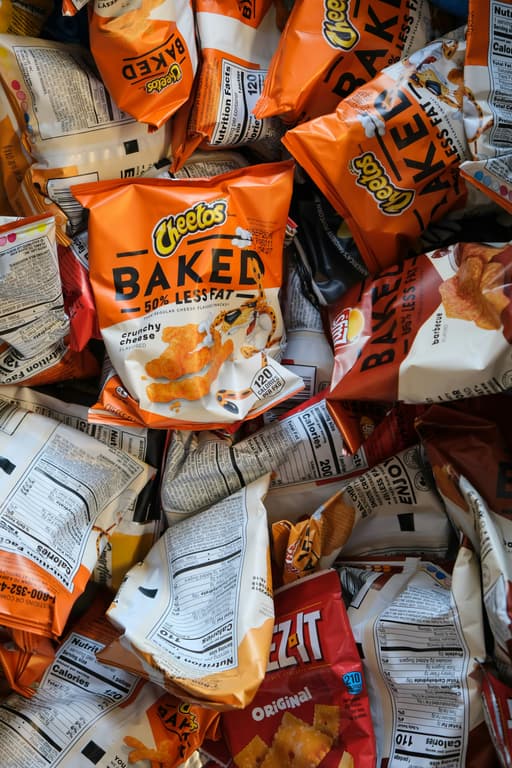
Pay attention to the labels THT / TGT
THT (“best before”) means the product is often still fine after the date. TGT (“use by”) is for fresh products and must be followed strictly. Know the difference and avoid unnecessary waste.

Rent flowers at the flower library (bloemenbieb)
The flower industry is a major polluter. Rent reusable artificial flowers from Reflower: beautiful, sustainable, and indistinguishable from the real thing.

Restore nature: Plant trees and make the earth green again
Planting trees helps combat climate change. Support initiatives like Trees for All or Justdiggit and make the Earth greener, cooler, and more livable.
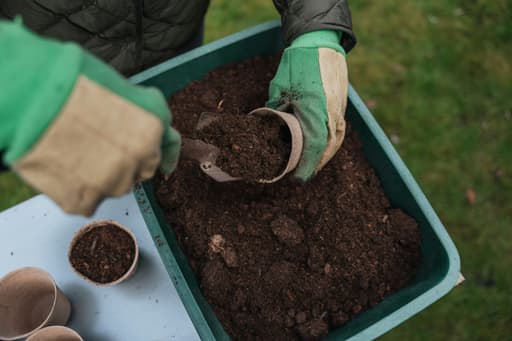
Compost your food scraps
35% of our fruit and vegetable waste ends up in the trash. Compost it and return nutrients to nature – good for the soil and the climate.

Give your things a second life
Give unused items a second life through ByeWaste, 2Switch, or Rataplan. Have them collected for free and contribute to a circular economy.

Give broken items a second life at the Repair Café
Many things can easily be repaired. At a Repair Café, volunteers can help you with broken electronics, clothing, bicycles, furniture, and more.
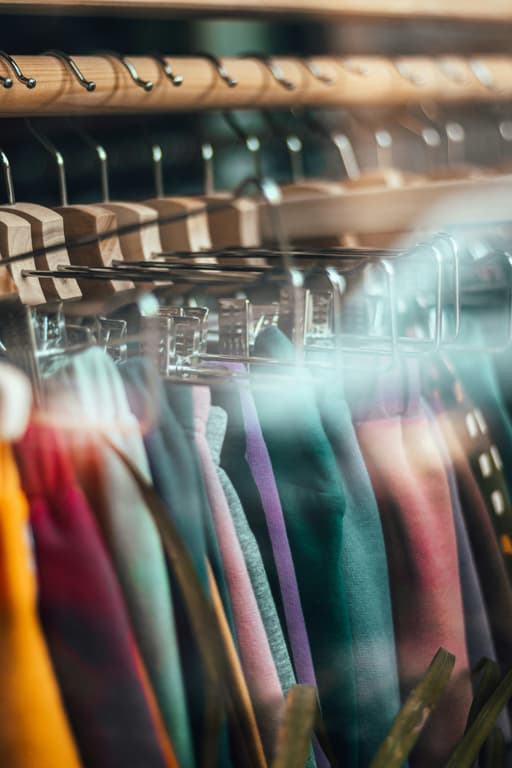
Give your clothes a longer life
We buy 46 new pieces of clothing every year, yet most go unworn. There’s enough clothing to dress six generations.

Use a water-saving shower head
A water-saving shower head uses 20–40% less water and energy. Good for the environment and your wallet, without sacrificing comfort.
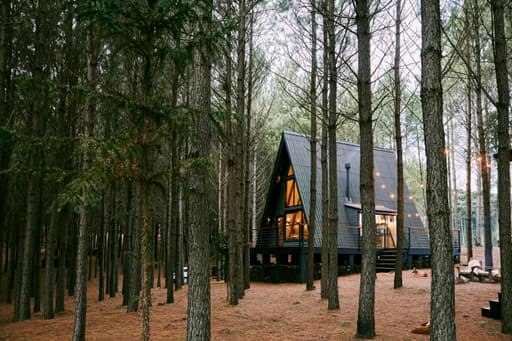
Take a weekend trip close to home
The Netherlands is bursting with unique places. A holiday at home saves money, time, and CO₂ – and is just as surprising.

Focus on what you eat, not where it comes from
The impact of your meal lies primarily in the ingredients. Even imported plants emit less CO₂ than local meat due to the high impact of livestock farming.

Sustainable travel with shared cars
One shared car replaces 5 to 10 regular cars. This creates space for green spaces, playgrounds, and a more pleasant neighborhood.

Take shorter showers (and use cooler water)
86% of the climate impact in the bathroom is caused by hot water. Shower for 5 minutes instead of 7.4 and save ⅓ of your energy and emissions.
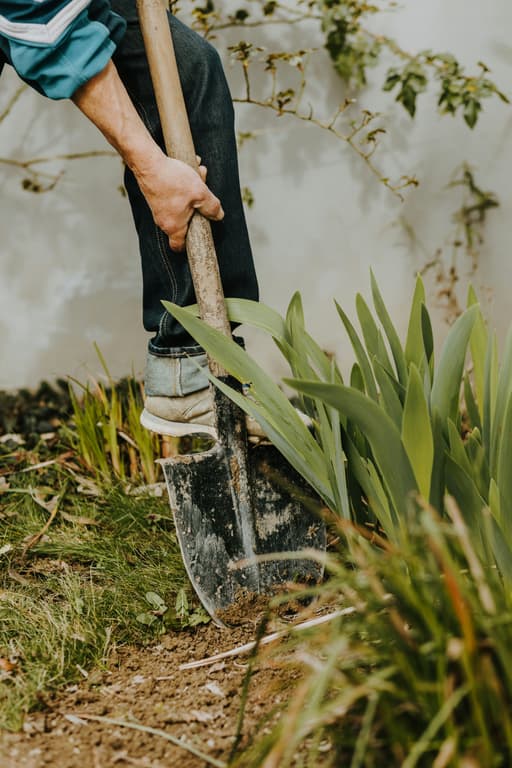
Participate in the Dutch National Tile Flipping Championship (NK tegelwippen)
Replace a garden tile with greenery and help reduce flooding and heat. One simple step for a climate-resilient garden.
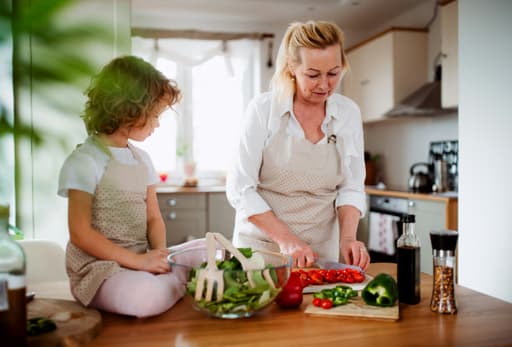
Join the VeggieChallenge
Meat production takes up a huge amount of space. Half of the habitable land is used for agriculture, primarily for meat and dairy. Less meat really helps.

Invest in solar energy, even without your own roof
No suitable roof? Through Zonhub and sustainable investing, you can invest in solar energy, earn money, and help advance the energy transition.

Waste less bread and pasta
We waste 6.2 kg of bread and pasta per person per year. Store wisely and cook according to your needs to prevent unnecessary waste.